


News
PALMA SOLUTIONS JSC
From the Energy Problem, the New Peak-Hour Framework, and Investment Efficiency
From the Energy Problem, the New Peak-Hour Framework, and Investment Efficiency
During the energy transition, Battery Energy Storage Systems (BESS) are increasingly regarded as an important component of modern power systems. However, the rapid development of energy storage technology does not mean that every factory needs to invest in BESS. The value of an energy storage system depends primarily on the load profile, power generation mix, operating objectives, and economic efficiency of each production facility.
Therefore, the question should not be framed simply as “Should the factory install BESS?”, but rather approached from a broader perspective: Can BESS solve a specific energy problem of the factory at a reasonable cost?
This is an important distinction between choosing a technology and developing an energy strategy.
This question has become even more pressing in 2026. According to Decision No. 963/QD-BCT of the Ministry of Industry and Trade, peak hours have been shifted to 17:30–22:30 (Monday to Saturday) — precisely when rooftop solar systems are producing little to no electricity. For factories operating afternoon and evening shifts, the paradox of “having solar power during the day but still paying peak-hour electricity prices in the evening” is now reflected on monthly electricity bills.
This article does not aim to claim that BESS is a solution for everyone, but rather to help businesses identify which category their factory falls into — and when investing in BESS can truly deliver value.
1. How is BESS changing the way we approach power systems?
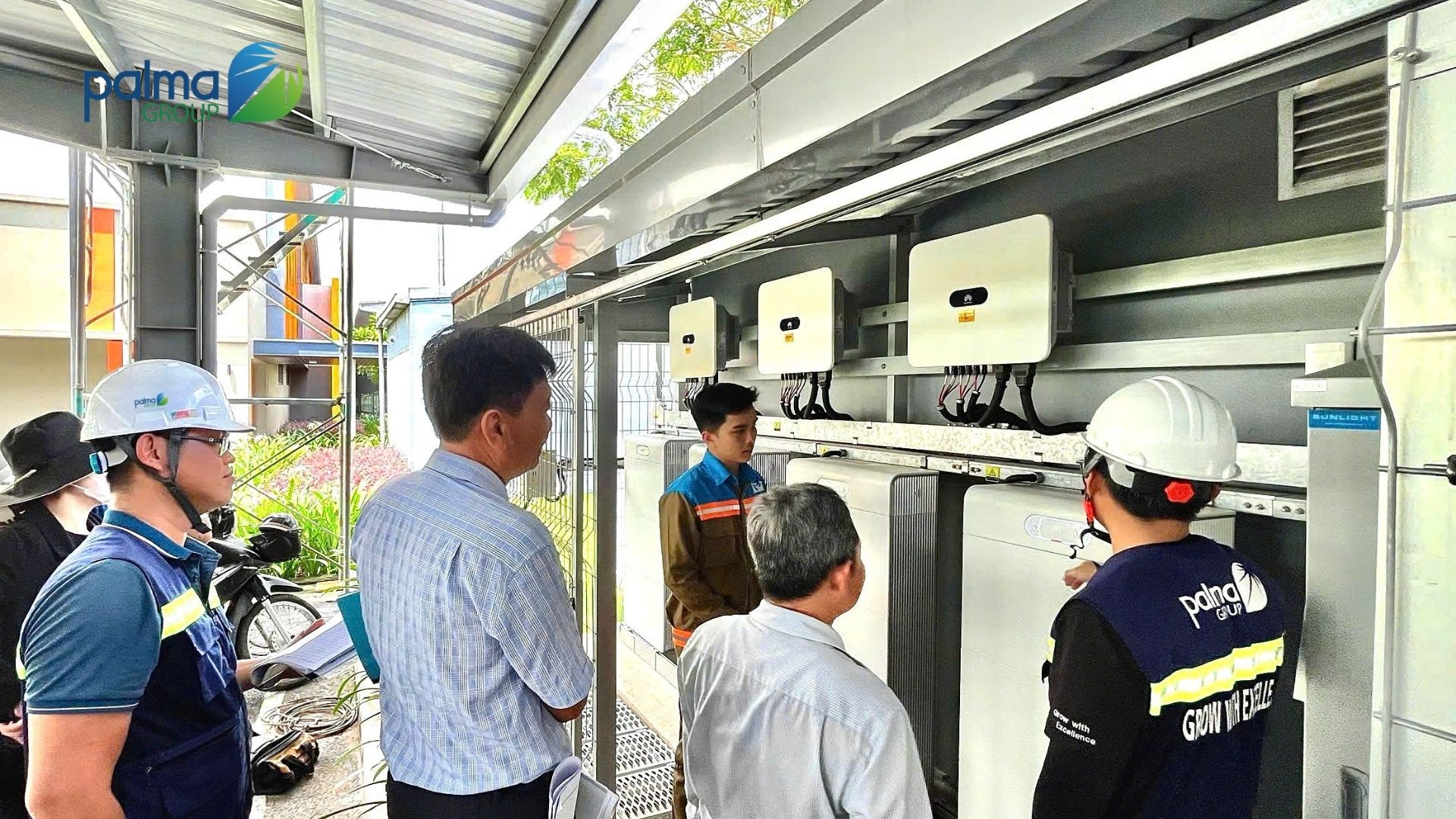
Electricity has a distinctive characteristic compared with many other commodities: generation and consumption generally need to be balanced almost simultaneously. As solar and wind power account for an increasing share of the power mix, the difference in timing between generation and demand has become an important issue.
BESS creates the ability to shift energy over time. Electricity can be stored when power is abundant or demand is low, and then used at another time when demand increases.
According to the IEA, battery storage is currently one of the fastest sources of flexibility for the power system, capable of supporting renewable energy integration, shifting electricity to periods of high demand, and supporting security of electricity supply. In 2025, the world deployed approximately 108 GW of battery storage capacity, an increase of 40% compared with 2024.
These figures show that BESS is no longer merely an experimental technology. However, the scale of market development is not evidence that every factory needs BESS.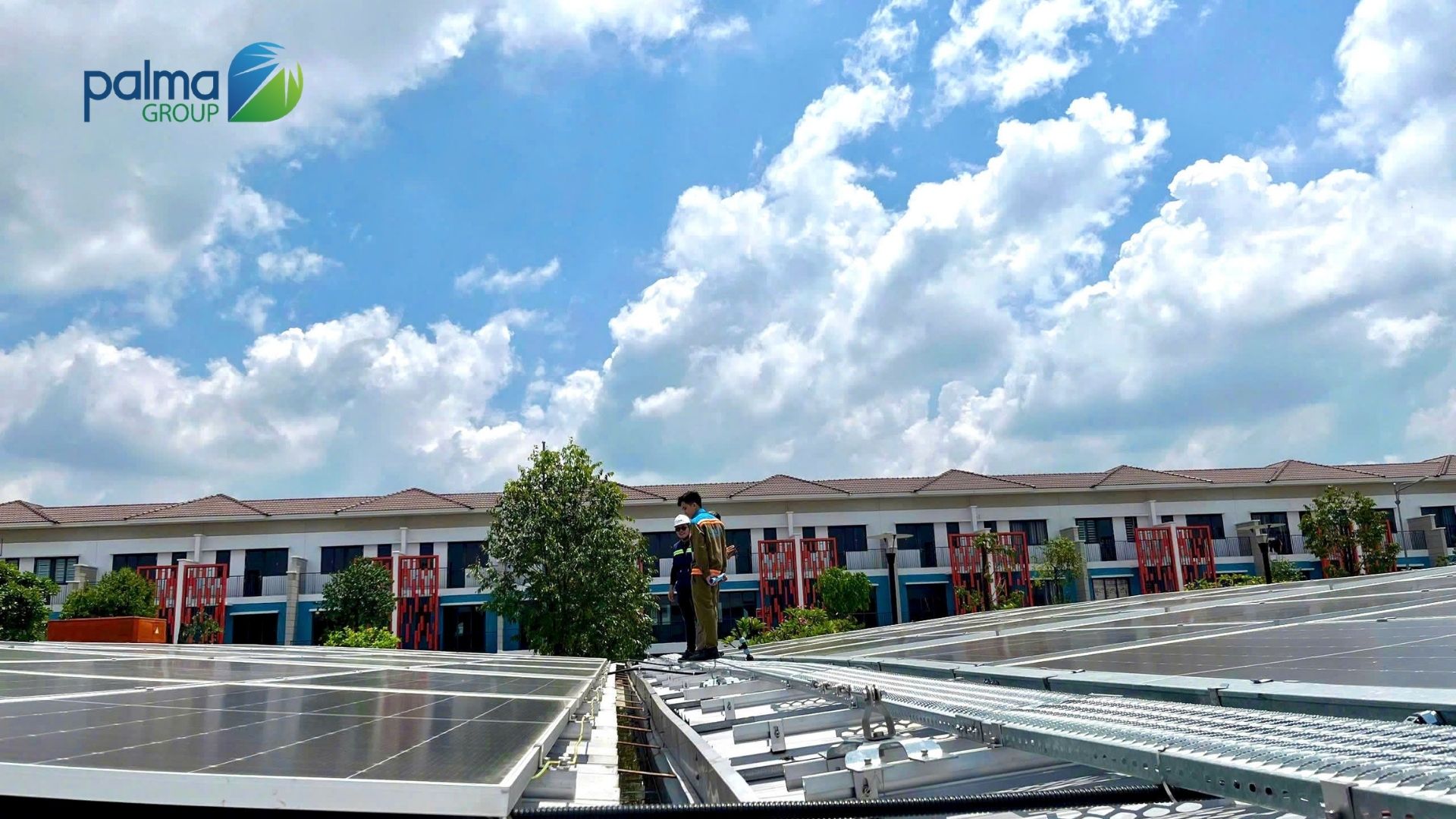
A technology may be increasingly widespread at the power-system level, but at the enterprise level, its effectiveness still depends on the specific load profile. The good news is that the number of factories with load profiles suitable for BESS is expanding rapidly as battery costs decline and electricity pricing mechanisms change.
2. Where does BESS create value?
To evaluate BESS, it is first necessary to understand how the system creates value.
An energy storage system can perform many different functions. When combined with solar power, the easiest function to visualize is energy shifting: storing energy generated at one point in time and using it at another.
Suppose a factory has a rooftop solar system. During periods of high solar irradiation, PV output may increase rapidly while the factory's load does not increase correspondingly. In the evening, when PV output declines, the factory's electricity demand may continue.
Without storage capability, this difference in timing limits the ability to directly utilize solar power.
BESS can change this relationship:
Solar power → BESS → Load
Instead of optimizing only the amount of electricity generated, businesses can optimize when energy is used.
This is also why IRENA identifies energy shifting as the main application of the battery storage capacity added in 2024, accounting for approximately 68% of total additions. The same report shows that the installation cost of utility-scale BESS decreased by approximately 93% from 2010 to 2024, from USD 2,571/kWh to USD 192/kWh.
This cost reduction is one of the factors driving the rapid development of BESS. However, it also leads to an easily misunderstood assumption: lower BESS costs do not automatically mean that BESS has become an economically efficient investment for every factory.
In addition to energy shifting, BESS can create value for factories in several other ways, depending on their configuration and operating method:
Peak shaving: discharging the battery during periods of sudden load increases to reduce the power drawn from the grid.
Backup and power supply stability: maintaining critical loads when the grid is unstable or experiences short outages, thereby limiting interruptions to production lines.
Increasing the utilization of clean energy: retaining surplus solar electricity for self-consumption, thereby reducing emissions and supporting businesses in meeting ESG requirements from parent companies, customers, and international supply chains.
3. The real challenge lies in the “Load Profile”
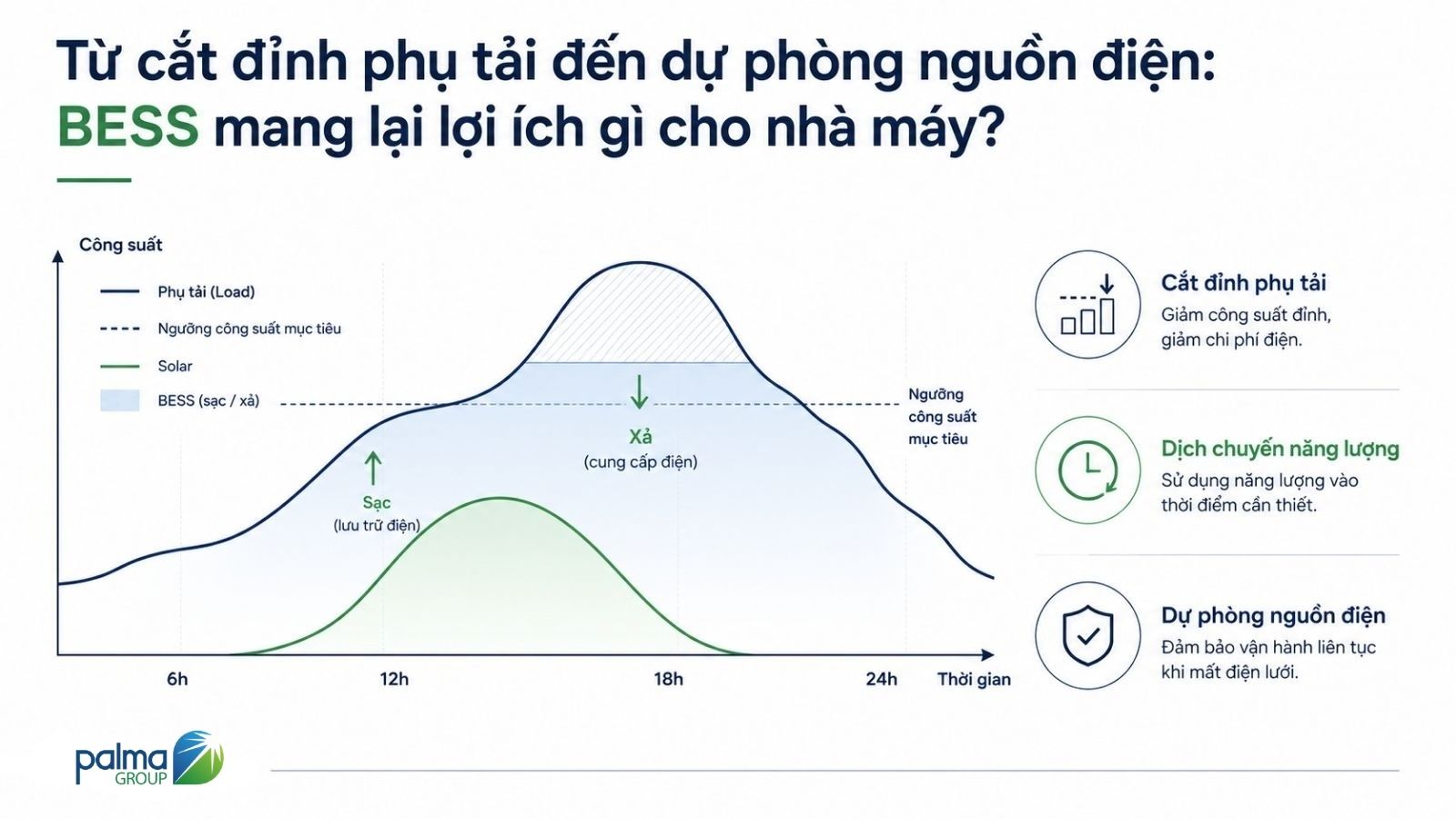
If we only know that a factory consumes 10 million kWh of electricity per year, we still do not have enough information to conclude whether that factory needs BESS.
The reason is that total electricity consumption does not indicate when the electricity is being used.
Two factories may have the same annual electricity consumption but completely different load profiles. The first factory may operate steadily throughout the day; the second may concentrate its load in certain production shifts. One factory may have high demand precisely when the solar system is generating a large amount of electricity; another may have significant demand after solar output begins to decline.
In these two cases, the economic value that BESS can create will not be the same.
Therefore, the Load Profile should be one of the first sets of data analyzed before selecting a BESS.
This is also why a BESS project should not begin with the question: “Does the factory need a 1 MWh or 5 MWh system?”
A more appropriate question would be: “During which periods does the value of storing and shifting energy become large enough to justify the investment cost?”
Only then can the appropriate power capacity, energy capacity, and discharge duration be determined.
With the new peak-hour schedule, Load Profile analysis needs to pay particular attention to the 17:30–22:30 period: how much electricity does the factory consume during this period, and how much of it can be replaced with energy stored from solar power generated during the day?
4. Solar + BESS: When is it more effective than Solar alone?
One of the most common trends today is combining solar power with BESS. From a technical perspective, this combination has clear logic: solar generates variable energy depending on solar irradiation, while BESS can shift part of that energy over time.
However, it cannot be concluded that Solar + BESS will always be more economically efficient than Solar without BESS.
BESS adds investment costs, power conversion equipment, battery management systems, protection equipment, safety requirements, and operating costs. At the same time, charging and discharging always involve energy losses.
Therefore, when evaluating a hybrid system, it is necessary to consider both the value of the energy being shifted and the cost of carrying out that energy shifting.
IRENA data shows that BESS costs have declined significantly, but the same report also notes that increasing the ratio of storage to renewable generation capacity may improve electricity supply capability but must be balanced against BESS investment costs.
In other words, the issue is not “the more batteries, the better.” It is an optimization problem.
5. When can BESS truly make sense for a factory?
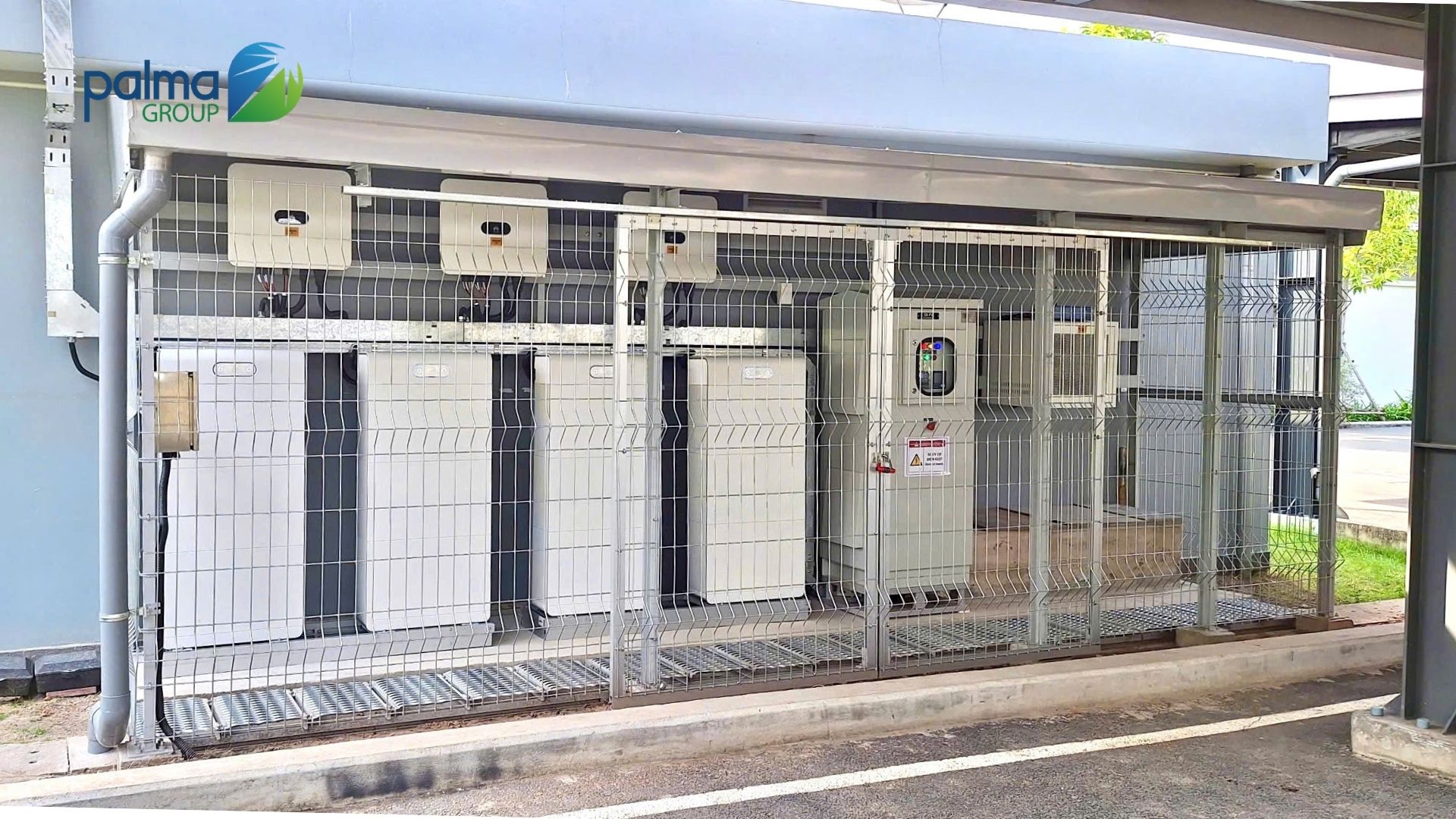
A factory tends to be suitable for BESS when there is a significant mismatch between when energy is available and when energy has value for the load.
A typical example is a production facility with a solar power system that generates a large amount of energy during the day, while a significant portion of its load occurs toward the end of the day. In this case, BESS can help shift part of the energy from the time when solar power is generated to the time when the load requires electricity.
Another case involves load management. If a factory frequently experiences periods of high load, BESS can be operated to help reduce the power drawn from the grid during appropriate periods.
However, this capability depends on the electricity pricing structure, market regulations, and specific operating methods in each country and for each customer group.
In Vietnam, the electricity pricing structure has also undergone a notable change. According to Decision No. 963/QD-BCT dated April 22, 2026, peak hours are 17:30–22:30 from Monday to Saturday; normal hours are 06:00–17:30 and 22:30–24:00; and off-peak hours are 00:00–06:00. Previously, peak hours also included the 09:30–11:30 period — a time when solar power generation is strong and can directly “carry” peak loads.
When peak hours are shifted entirely to the evening, rooftop solar can no longer directly reduce electricity costs during peak hours. This is precisely the gap that BESS can fill: charging from solar power during the day (or from the grid during off-peak hours) and discharging during 17:30–22:30 — the period when each kWh has the highest value of the day.
At the same time, Decree No. 243/2026/ND-CP (amending and supplementing Decree No. 58/2025/ND-CP) has increased the allowable share of surplus rooftop solar electricity that can be sold to the grid from 20% to a maximum of 50%. Businesses therefore have an additional option for surplus electricity, and comparing “selling surplus electricity” with “storing it for self-consumption during peak hours” becomes a calculation that needs to be performed on a case-by-case basis.
For Vietnam, this issue needs to be considered even more carefully in the context of changing energy policies.
The Ministry of Industry and Trade states that the revised Power Development Plan VIII sets a target of developing approximately 10,000–16,300 MW of BESS by 2030, in addition to 2,400–6,000 MW of pumped-storage hydropower. BESS is intended to be located at wind and solar power generation centers and load centers.
These directions show that BESS is increasingly being recognized as an important component in enhancing the flexibility of Vietnam's power system.
However, an important distinction must be made: the national power-system development direction for BESS does not mean that every manufacturing factory must install BESS.
=> 5 signs that indicate a factory should evaluate BESS now:
1. It already has (or is investing in) rooftop solar and frequently has surplus electricity at midday.
2. It operates afternoon or evening shifts with significant load during 17:30–22:30.
3. Peak-hour electricity costs account for a significant share of the monthly electricity bill.
4. Its load has short, sudden peaks (compressor start-up, kilns, chillers, etc.).
5. Its production line is sensitive to power outages or voltage drops; or the company has ESG and emissions-reduction objectives.
If a factory has two or more of these signs, this is an appropriate time to conduct a detailed assessment based on actual load-profile data.
6. When should a factory prioritize other solutions before BESS?
This is an aspect that is often overlooked when discussing energy storage.
If a factory's load occurs primarily at the same time as solar power generation, it barely operates during evening peak hours, has a high self-consumption rate, and has no significant need for energy shifting, adding BESS may not create enough value to offset the investment cost.
In this case, the business may achieve greater efficiency by focusing first on energy efficiency, load optimization, or solar-system optimization.
This is consistent with the “energy efficiency first” approach: before investing in an additional energy asset, a business needs to determine whether the problem can be solved by reducing energy demand or changing operating methods.
BESS should be viewed as one of the tools in an energy strategy, rather than the objective of the strategy.
Even in this case, the business should still design the solar power system to be “BESS-ready”: selecting an appropriate hybrid inverter, reserving space, and planning the grid-connection solution. When the Load Profile or electricity pricing mechanism changes, adding BESS can then be implemented more quickly and at a more optimized cost.
7. BESS costs have fallen sharply, but the investment case must still be calculated over the lifecycle
The development of BESS in recent years has been closely associated with significant changes in cost.
According to IRENA, the cost of utility-scale battery storage systems decreased by 93% during 2010–2024. In 2024 alone, turnkey storage system costs declined significantly compared with the previous year, with a global average of approximately USD 148–165/kWh depending on system duration.
This is a major change in the feasibility of energy storage projects.
However, the price per kWh of battery capacity is not the total cost of a project.
A practical BESS investment case also involves power conversion equipment, control systems, integration with the existing power system, design and construction, safety requirements, operation and maintenance, battery capacity degradation over time, and the cost of capital.
Therefore, businesses should not evaluate a project simply by asking: “How much does BESS cost per USD/kWh today?”
A more economically meaningful question is: “How much value does each unit of capital invested in BESS create over the system's entire lifecycle?”
That is the basis for evaluating the project's payback period, NPV, IRR, and Total Cost of Ownership (TCO).
8. Efficiency and battery degradation also change the investment case
BESS is not an “electricity warehouse” that can charge and discharge with 100% efficiency.
Every cycle involves losses. In addition, the available battery capacity declines over time and with the number of operating cycles.
This is particularly important when businesses calculate long-term economic efficiency.
A system with a nominal capacity of 5 MWh does not mean that it will always provide 5 MWh of usable energy to the load throughout its entire lifecycle.
In recent technical regulations in Vietnam, the Ministry of Industry and Trade has also incorporated parameters such as the number of charge–discharge cycles, capacity degradation, and charge–discharge cycle efficiency into formulas related to BESS. A 2025 document from the Ministry specifies that the charge–discharge cycle efficiency used in the relevant calculation must not be lower than 85% in the applicable case.
This shows that when evaluating BESS, battery capacity is only one of many variables.
9. Safety is part of the economic equation
A BESS is not only an electrical asset but also a system with specific safety requirements.
In particular, for systems using lithium-ion batteries, thermal runaway and the risk of thermal propagation are issues that need to be assessed during design and operation.
NFPA 855 was developed as a standard for the installation of stationary energy storage systems and focuses on requirements to mitigate risks associated with ESS. Meanwhile, UL 9540A is a test method for evaluating the fire-propagation characteristics caused by thermal runaway in BESS systems.
In Vietnam, this issue is also being addressed as the framework of standards, technical regulations, and management mechanisms for BESS continues to be developed. The Ministry of Industry and Trade states that issues related to installation locations, standards and technical regulations, costs, mechanisms for participating in the electricity market, and fire prevention and firefighting safety remain areas that require further development.
Therefore, a good BESS project cannot be evaluated solely by its cost per kWh.
System design, equipment configuration, battery management systems, electrical protection, incident detection and response, safety distances, fire prevention and firefighting solutions, and operating procedures are all components of the overall investment equation.
Therefore, businesses should select a provider with comprehensive capabilities, from design, supply, and Engineering, Procurement and Construction (EPC) to Operation and Maintenance (O&M), so that responsibility for safety and performance is maintained throughout the entire system lifecycle.
10. BESS should be placed within an overall energy management strategy
From the analysis above, it can be seen that BESS should not be viewed as an independent solution.
The value of BESS only emerges when it is connected to an energy system with clear objectives.
For a factory, a reasonable process may begin with analyzing electricity consumption data and the Load Profile. The business then identifies the issues that need to be addressed: peak loads, mismatches between supply and load, solar power utilization, backup requirements, or emissions-reduction objectives.
Based on these issues, the business can then determine whether it needs load optimization, a solar-system upgrade, an Energy Management System, BESS investment, or a combination of multiple solutions.
For factories with significant evening loads, this evaluation process should be conducted early: every month of delay means another month in which the business pays the highest electricity price of the day for that portion of the load.
This approach has an important advantage: technology is selected because it solves a specific problem, rather than because the technology is currently a trend.
11. So, is BESS really necessary for every factory?
The short answer: not every factory needs BESS. However, the number of factories for which BESS delivers clear benefits is increasing much faster than many businesses realize.
BESS is becoming an increasingly important component of the global power system. The IEA identifies battery storage as a rapidly developing storage technology that is playing an increasingly important role in integrating renewable energy and providing flexibility to the power system. IRENA has also recorded a significant decline in BESS costs over more than a decade, expanding the range of applications capable of achieving economic viability.
In Vietnam, the development direction for BESS is also being strengthened through the revised Power Development Plan VIII and policies and regulations related to energy storage systems.
However, the transition from system-level trends to an investment decision for a specific factory involves two different considerations.
A factory should invest in BESS only when the value generated by the system over its entire lifecycle is sufficiently large to justify its total cost of ownership and the associated technical, operational, and safety requirements.
With battery costs having fallen by more than 90% over more than a decade and peak hours shifting to the evening, an increasing number of factories — particularly those that already have rooftop solar and operate evening shifts — may meet these conditions.
Therefore, the most important question is not:
“Is BESS the future of energy?”
But:
“Does BESS solve the right energy problem for this factory?”
This is also the starting point for a different approach to the energy transition: instead of choosing the technology first, start with data, operational challenges, and the economic value that the business needs to create.
Palma Group – Approaching BESS from the Real Business Problem
For industrial energy projects, BESS should not be selected solely based on battery power or capacity.
An appropriate solution needs to be developed based on the Load Profile, load characteristics, existing power system, renewable energy sources, operating objectives, and investment efficiency throughout the entire project lifecycle.
Palma Group approaches this challenge through an integrated combination of Solar, BESS, and Energy Management, with the objective not simply of adding another piece of equipment to the power system, but of optimizing how energy is generated, stored, and used in the factory's actual operations.
With a pioneering and specialized position in the solar energy sector in Vietnam, Palma Group has implemented solar energy projects for numerous factories, industrial parks, and major corporations such as P&G Di An Binh Duong, Wipro Vietnam, CAMSO Binh Duong, Yen Phong IIC Industrial Park, The Gioi Di Dong, and others. This experience enables Palma's engineering team to understand the actual operating characteristics and Load Profiles of factories in Vietnam.
Palma's BESS consulting process consists of 4 steps:
1. Survey & analysis: Load Profile, electricity bills, existing power systems, and existing renewable energy sources.
2. Scenario simulation: comparing Solar alone, Solar + BESS, and Hybrid solutions based on payback period, NPV, IRR, and TCO.
3. Turnkey design & construction (EPC): Hybrid/ESS solutions that meet technical, safety, and fire prevention and firefighting requirements.
4. Operation & Maintenance (O&M): monitoring and optimizing charging–discharging strategies throughout the system lifecycle.
The objective is not only to reduce energy costs, but also to help businesses increase clean-energy utilization, reduce emissions, and move toward a green and sustainable future.
BESS is not the answer for every factory.
But for the right problem, it can become an important tool that enables businesses to move from “using energy” to “actively managing energy.”
Does your factory belong to the group that should invest in BESS? Contact Palma Group for Load Profile analysis and advice on a suitable solution:
Hotline: 093 1166 896 | Email: info@palmagroup.vn | Website: https://palma.com.vn/
Main References
1. International Energy Agency (IEA), Global Energy Review 2026 – Technology: Battery storage.
https://www.iea.org/reports/global-energy-review-2026/technology-battery-storage
2. International Energy Agency (IEA), Electricity 2026 – Flexibility.
https://www.iea.org/reports/electricity-2026/flexibility
3. International Renewable Energy Agency (IRENA), Renewable Power Generation Costs in 2024.
https://www.irena.org/Digital-Report/Renewable-Power-Generation-Costs-in-2024
4. International Energy Agency (IEA), Batteries and Secure Energy Transitions.
https://www.iea.org/reports/batteries-and-secure-energy-transitions/executive-summary
5. Ministry of Industry and Trade, information on optimizing energy storage systems and solar power.
https://moit.gov.vn/bao-ve-moi-truong/toi-uu-hoa-he-thong-luu-tru-nang-luong-va-dien-mat-troi.html
6. Ministry of Industry and Trade, information on BESS energy storage in Vietnam.
7. NFPA 855 – Standard for the Installation of Stationary Energy Storage Systems.
https://www.nfpa.org/codes-and-standards/nfpa-855-standard-development/855
8. Ministry of Industry and Trade, Decision No. 963/QD-BCT dated April 22, 2026 on peak, normal, and off-peak hours of the national power system.
9. Government of Vietnam, Decree No. 243/2026/ND-CP amending and supplementing Decree No. 58/2025/ND-CP on the development of renewable energy and new energy.
01/10/2026 10:59:12
News other
_-08-01-2026-23-58-52.jpg "“Operation & Maintenance – Palma Solar Light” Technical Training")

_-08-01-2026-23-54-30.jpg "Why can the same solar technology deliver different performance across industrial plants?")
![[PALMA x NOVALAND] WORKSHOP ON MAINTENANCE AND SERVICING OF SOLAR LANDSCAPE LIGHT PLL-30 AT NOVA HILLS – MUI NE](https://palma.com.vn/upload/z3634653067260_15cb1f4d62b14f3a684fdf4ee9de4870_-11-08-2022-13-55-36.jpg "[PALMA x NOVALAND] WORKSHOP ON MAINTENANCE AND SERVICING OF SOLAR LANDSCAPE LIGHT PLL-30 AT NOVA HILLS – MUI NE")
Search
Breaking news
_-06-02-2026-14-31-59.jpg "Understanding kWp and kWh: The First Step Toward Effective Solar Investment")


_-24-10-2021-21-55-01.png "MicrosoftTeams-image (8)_-24-10-2021-21-55-01.png")
_-21-04-2022-13-38-01.png "PALMA SOLUTIONS JSC")
CONTACT US
MAP
Copyright © 2020 PALMA SOLUTIONS JSC
